


















As winter approaches, fleet managers must proactively prepare for the unpredictable weather that can disrupt operations and pose safety risks.
Recent years have seen an increase in extreme weather events, including more severe snowstorms, freezing rain, and fluctuating temperatures, which have made winter fleet management more complex.
With proper planning and preparation, you can ensure that your fleet is ready to handle whatever winter throws your way, minimizing downtime, reducing accidents, and maintaining service reliability.
This guide will outline the new weather challenges of the 2025 winter season and offer practical tips for keeping your fleet safe and operational.
Understanding the New Winter Weather Patterns for 2025
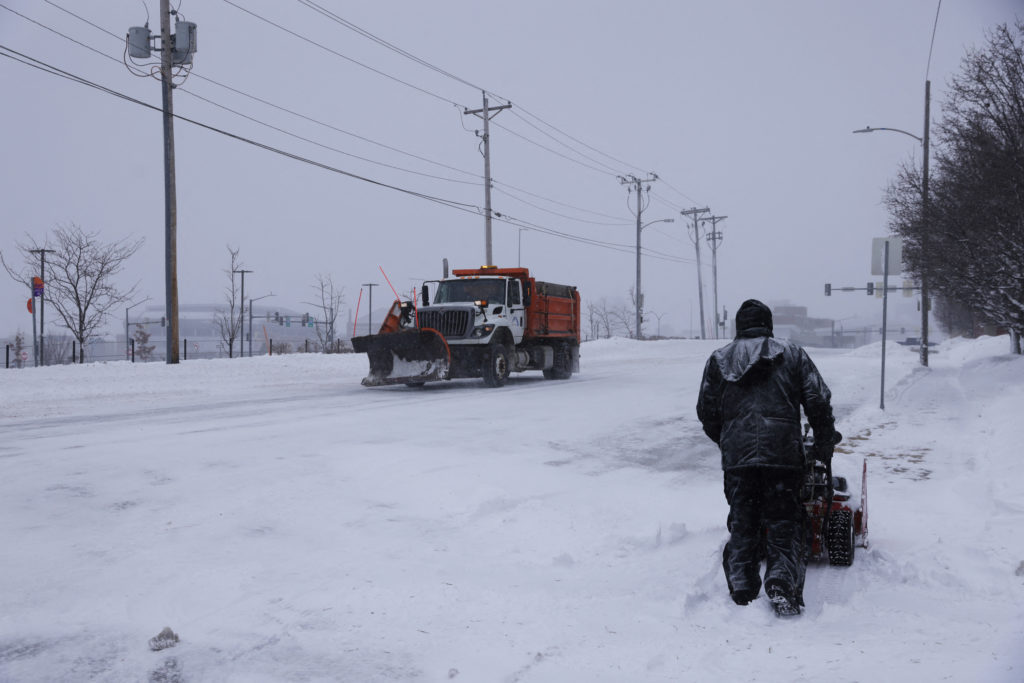
Recent climate studies and weather forecasts indicate several key trends and patterns that fleet managers should be aware of as they prepare for the 2025 winter season:
- Increased Frequency and Intensity of Snowstorms: Meteorologists predict that certain regions of the U.S. will experience more frequent and intense snowstorms this winter. This includes heavy snowfall, blizzards, and white-out conditions that can severely impact visibility and road conditions.
- More Freezing Rain and Icy Conditions: Freezing rain events are expected to increase, leading to hazardous road conditions. Ice can accumulate on roads, bridges, and overpasses, creating slick surfaces that make driving treacherous.
- Fluctuating Temperatures and Freeze-Thaw Cycles: In some regions, temperatures may fluctuate widely, leading to repeated freeze-thaw cycles. These conditions can create potholes, black ice, and other hazards that can damage vehicles and pose risks to drivers.
- Longer Periods of Extreme Cold: Extended periods of sub-zero temperatures are expected in northern and high-altitude areas, which can affect vehicle performance, fuel efficiency, and battery life.
Given these weather patterns, fleet managers need to implement a comprehensive winter preparedness strategy to ensure their vehicles and drivers are ready for these challenges.
Preparing Your Fleet for Harsh Winter Conditions

To effectively prepare your fleet for the 2025 winter season, consider the following steps:
1. Perform Comprehensive Pre-Winter Inspections
Conduct thorough inspections of all fleet vehicles before the onset of winter. Focus on critical systems and components that are most affected by cold weather and icy conditions.
- Check Tires: Ensure all tires have adequate tread depth for winter driving. Consider using winter tires or all-season tires designed for icy and snowy conditions. Check tire pressure frequently, as it can fluctuate with temperature changes.
- Inspect Brakes: Verify that all brakes are in optimal condition. Winter driving requires effective braking, and worn or malfunctioning brakes can significantly increase stopping distances on icy roads.
- Test Batteries: Cold weather can reduce battery performance. Test all vehicle batteries to ensure they are fully charged and in good condition. Replace any batteries that show signs of weakness or aging.
- Examine Windshield Wipers and Fluid: Ensure windshield wipers are in good condition and replace them if necessary. Use winter-grade windshield washer fluid to prevent freezing in sub-zero temperatures.
2. Prepare the Cooling and Heating Systems
Extreme cold can take a toll on a truck’s cooling and heating systems. Ensure these systems are ready to withstand freezing temperatures:
- Check Antifreeze Levels and Quality: Ensure that antifreeze levels are adequate and that the coolant mixture is appropriate for the expected winter temperatures. Test the coolant’s freeze point and replace it if it’s too high.
- Inspect Heating Systems: Verify that cabin heaters and defrosters are working properly to keep drivers comfortable and maintain visibility. Ensure that heater cores, blower motors, and related components are in good working order.
3. Stock Up on Essential Supplies and Equipment
Equip each truck with essential winter supplies and equipment to handle emergencies and challenging conditions.
- Emergency Kits: Include items such as blankets, extra clothing, non-perishable food, water, flashlights, batteries, and first aid kits.
- Snow and Ice Removal Tools: Equip trucks with snow brushes, ice scrapers, and small shovels to clear ice and snow from windows, mirrors, and lights.
- Traction Aids: Carry traction aids such as sand, kitty litter, or traction mats to help free stuck vehicles. Consider using tire chains in regions with heavy snowfall or on mountainous routes.
4. Implement Winter Driving Training for Drivers
Drivers play a critical role in winter safety. Provide winter driving training to ensure all drivers are prepared to handle adverse weather conditions.
- Safe Driving Techniques: Train drivers on safe driving techniques for winter conditions, including maintaining safe following distances, reducing speed, and using proper braking techniques on icy roads.
- Recognizing Hazards: Teach drivers to recognize and respond to common winter hazards such as black ice, snowdrifts, and reduced visibility.
- Emergency Procedures: Ensure drivers are familiar with emergency procedures for handling breakdowns, accidents, or getting stuck in snow.
5. Utilize Telematics and GPS Technology
Leverage telematics and GPS technology to monitor vehicle performance and optimize route planning during winter.
- Monitor Vehicle Health: Use telematics to track vehicle health in real-time, including battery status, coolant temperature, and tire pressure. This helps identify potential issues early and prevent breakdowns.
- Optimize Routes: Use GPS and weather data to plan routes that avoid severe weather conditions, road closures, or high-risk areas. Adjust routes dynamically based on real-time weather updates.
6. Establish a Winter Maintenance Schedule
Create a winter-specific maintenance schedule to address the unique challenges of cold weather operations.
- Frequent Fluid Checks: Increase the frequency of fluid checks, including engine oil, transmission fluid, brake fluid, and antifreeze, to ensure they are at optimal levels and not contaminated.
- Inspect and Lubricate Moving Parts: Cold weather can cause moving parts to stiffen or freeze. Regularly inspect and lubricate hinges, locks, and other moving parts to prevent seizing.
- Check Tire Treads and Pressures: Maintain regular tire inspections throughout the winter to ensure proper tread depth and pressure, as cold weather can cause tires to lose air.
7. Communicate and Coordinate with Drivers
Effective communication with drivers is essential during winter operations.
- Weather Alerts: Keep drivers informed of weather conditions and alerts through regular updates. Use mobile apps or in-cab communication systems to relay real-time information.
- Encourage Reporting: Encourage drivers to report any vehicle issues, hazardous road conditions, or incidents immediately to the fleet manager or dispatch team.
The 2025 winter season is expected to bring new challenges with changing weather patterns and more frequent extreme weather events.
By taking proactive steps to prepare your fleet, you can mitigate the risks associated with winter operations, ensure the safety of your drivers, and maintain operational efficiency.
Implementing a comprehensive winter preparedness strategy, including vehicle inspections, driver training, and leveraging technology, will help keep your fleet running smoothly and safely throughout the winter months.
Prepare your fleet for the 2025 winter season with professional maintenance services from Fast Fleet.
Our expert team is equipped to handle all aspects of winter preparation, from vehicle inspections to emergency roadside assistance.
Contact us today to learn more about how we can help you navigate the challenges of winter fleet management and keep your trucks on the road, no matter the weather.